
Quickinim Blog
Insights, best practices, and guides to help you optimize your procurement processes
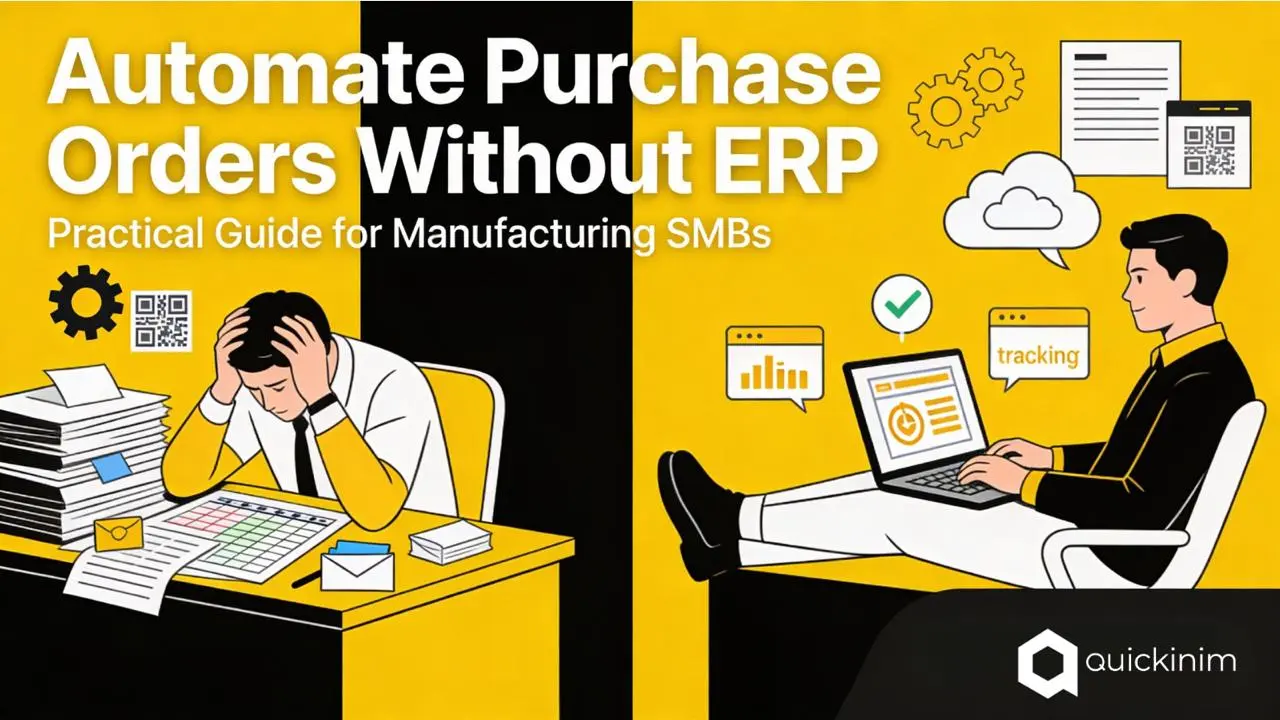
How to Automate Purchase Orders Without ERP
Most manufacturing teams still run POs through spreadsheets and email. Three simple steps centralize suppliers, automate routing, and reconcile documents—cutting processing costs by up to 80% without a heavy ERP project.
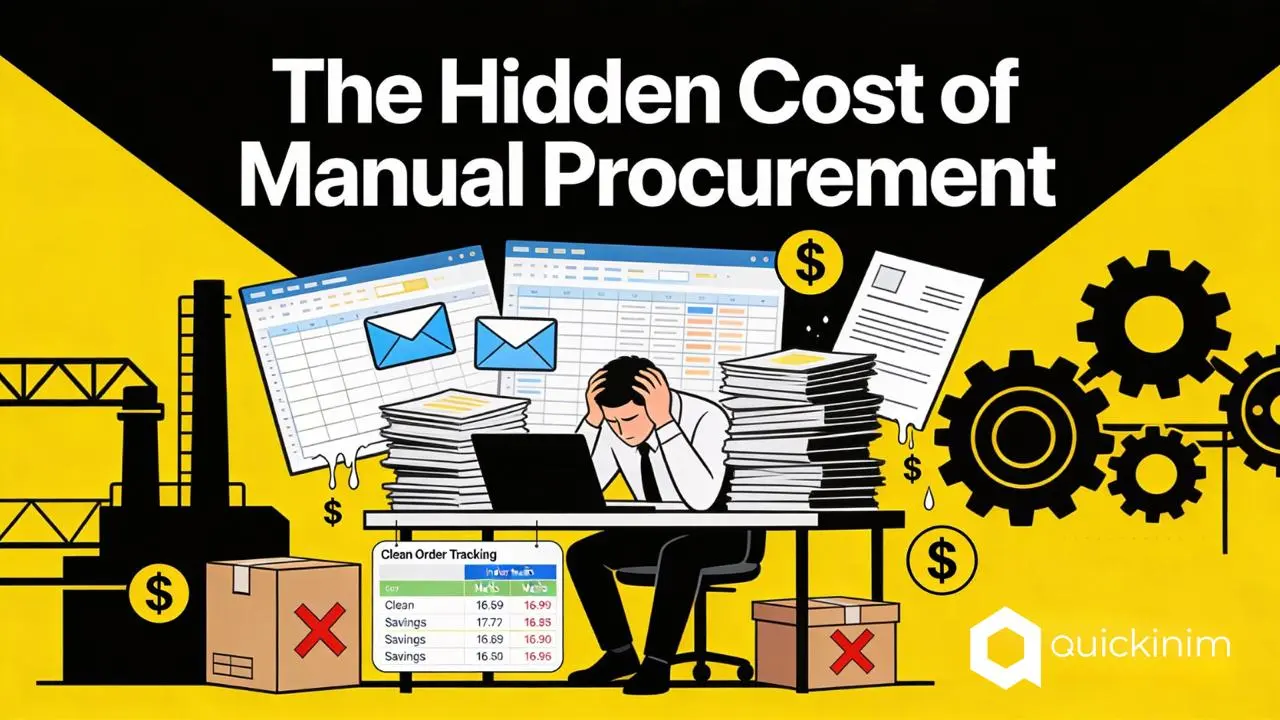
The Hidden Cost of Manual Procurement
Manual procurement stacks small frictions into real losses: duplicate invoices, buried follow-ups, burnout, and expensive delays. Here's where the money leaks for manufacturing SMBs and how to stop paying the manual tax.
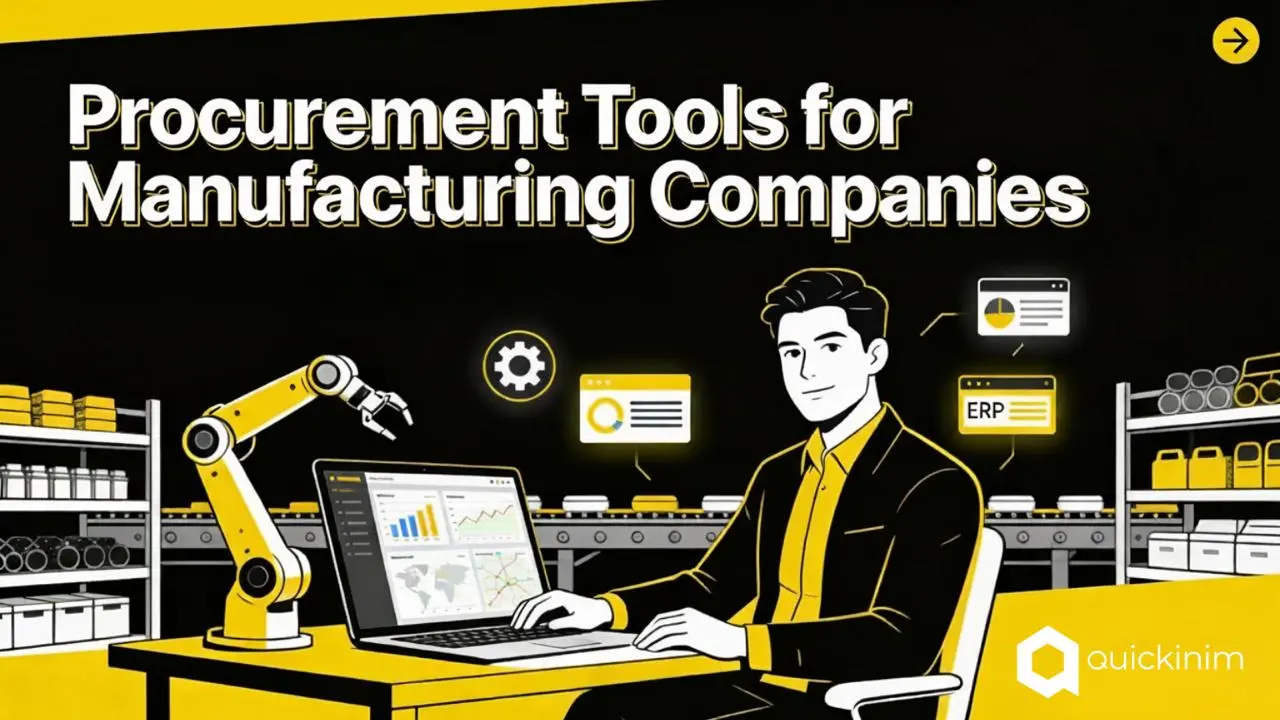
Procurement Software for Manufacturing Companies: Tools, Benefits & How to Choose
Manufacturing companies in the U.S. operate in an environment of constant pressure. Supply chain volatility, tariff uncertainty, reshoring initiatives, and the complexity of managing thousands of parts across multiple suppliers make procurement efficiency a direct driver of competitiveness.
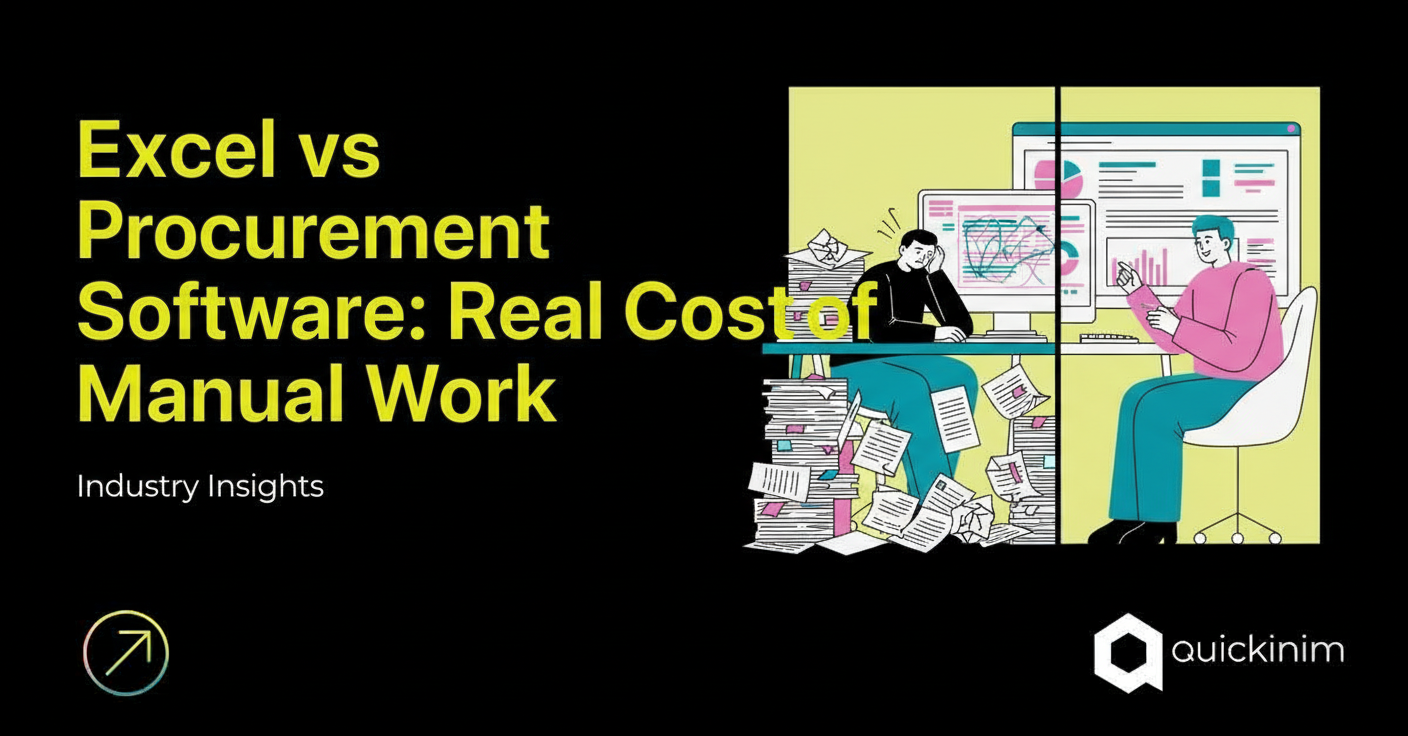
Excel vs. Procurement Software: The Real Cost of Manual Work
For decades, the humble spreadsheet has been the backbone of American procurement. It is flexible, familiar, and - perhaps most seductively - it feels "free." You already have the license, so why pay for dedicated software ?
5 Signs Your Company Needs Procurement Software
The procurement team has gone quiet, but the cracks are starting to show: no one knows where a critical shipment is until someone emails the supplier, invoices pile up waiting to be matched with old POs, and your best buyer spends half a morning digging through email threads for an approval that should be easy to find.
Industry Insights: Navigating Modern B2B Procurement Challenges in High-SKU Environments
The procurement landscape in 2025 presents a paradox: while technology promises unprecedented efficiency, many B2B organizations managing extensive product catalogs find themselves overwhelmed by complexity rather than empowered by it.
Best Alternatives to Coupa for Small Businesses in 2026
If you've ever tried enterprise procurement platforms like Coupa or Ariba, you probably know the pain: complex onboarding, ERP dependency, long sales cycles, and a steep learning curve for your team.